
The Role of Chance in Gambling
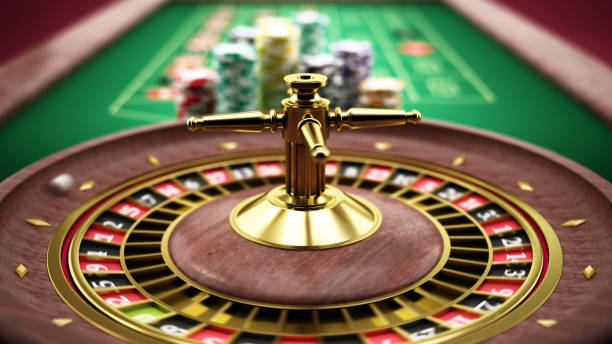
When engaging in casino games, players often attribute their wins or losses to luck. Luck, in its essence, is the unpredictable element that can turn a game in one’s favor or result in a disappointing outcome. Take, for instance, a game of roulette; despite the clear odds and strategies available, the outcome is ultimately determined by the spin of the wheel and the bounce of the ball. In addition, finding the best online pokies australia payid adds an extra layer of excitement, as this randomness is what keeps players intrigued, as each round is a new opportunity for fortune to shine.
Moreover, psychological factors play a significant role in how players perceive luck. Many times, individuals recall specific instances where they experienced an unexpected win, which can create a sense of overconfidence or a belief that they are “on a lucky streak.” This belief can influence future decisions at the tables, sometimes leading to riskier bets in anticipation of continued fortune. Such cognitive biases often overshadow the mathematical probabilities involved, resulting in a skewed understanding of how luck operates in gambling.
However, it is essential to recognize that luck is not a tangible force. The concept is, in many ways, subjective. While one player may feel they are on a winning streak, another at the same table could feel the opposite. This variable nature of luck adds to the complexity of gambling and emphasizes that while luck can influence results, it is not the sole factor in determining success at the casino.
Skill Versus Luck: A Delicate Balance
While luck generally plays an essential role in games of chance, skill can greatly influence the outcomes in various casino games. For example, poker is a perfect illustration where player skills such as bluffing, reading opponents, and understanding odds can significantly impact winning potential. Unlike purely random games like slots, where outcomes depend solely on chance, poker introduces an element of strategy that can tip the odds in favor of knowledgeable players.
In table games such as blackjack, players can use strategies based on probability and game theory to enhance their winning chances. By employing techniques like card counting, players can shift the odds slightly in their favor, demonstrating that while luck may occasionally influence short-term results, informed decisions and skillful play often yield better long-term success. This interplay between skill and luck creates a rich tapestry of experiences at the casino.
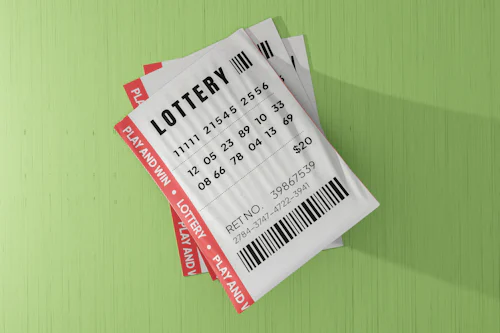
Yet, the balance between skill and luck varies by game. While some games allow skilled players to exert more control, others rely heavily on chance. This distinction is crucial for players to understand, as it shapes their expectations and strategies. Recognizing when to rely on skill versus when to accept the whims of luck can enhance the gaming experience and lead to more informed choices.
The Impact of Superstition and Beliefs
Superstitions are highly prevalent in casino culture, with many players believing in rituals or objects that bring good fortune. From lucky charms to specific seating arrangements at the table, these superstitions can significantly impact a player’s mindset. For instance, a player might believe that wearing a particular outfit or using a specific strategy enhances their luck, thereby influencing their performance and confidence levels. This mental fortitude can lead to a more relaxed and focused mindset, which in turn may influence their decision-making processes.
Additionally, the social environment of casinos can amplify these beliefs. Players often share their experiences and rituals, creating an atmosphere where superstitions can thrive. The camaraderie among players can lead to collective beliefs about luck, contributing to a shared sense of fate at the tables. This phenomenon highlights the human tendency to seek patterns and connections, even in random events, as players look for ways to enhance their chances of winning.
However, while these beliefs can foster a positive attitude and even a sense of community, they can also lead to negative consequences. Players who become overly reliant on superstitions may ignore critical game strategies, leading to more detrimental outcomes. A balance must be struck, where players can enjoy the cultural aspects of superstition without letting them overshadow solid gameplay techniques or rational decision-making.
Real-Life Examples of Luck Impacting Outcomes
Throughout gambling history, there have been many remarkable stories that illustrate how luck can shape fortunes at the casino. One need only look at the high stakes of tournament poker, where a single hand can dramatically alter a player’s trajectory. In one infamous example, a player on the verge of elimination pulled off an unexpected win with a rare hand combination, illustrating that a moment of good fortune can transform a game entirely. Such tales fuel the allure of casinos and draw players in, hoping to experience their own moment of serendipity.
Another compelling story involves a player hitting a progressive jackpot on a slot machine after only a small bet. The randomness of the machine’s algorithms means that any player can potentially win life-changing sums with little to no investment. These occurrences are celebrated as testament to the idea that luck can drastically change an individual’s financial situation in a mere instant. Players often reminisce about such stories, cherishing them as proof that luck occasionally favors the bold.
These anecdotes serve not only to inspire but also to remind players of the inherently unpredictable nature of gambling. While many factors can influence success, such as strategy and skill, luck remains a unique and capricious companion at the tables, capable of creating unforgettable moments. Understanding this dynamic can help players navigate their casino experiences more mindfully, balancing hope with realism.
Your Place in the Gaming Experience
Understanding the interplay of luck and skill can greatly enhance your overall gaming experience. By acknowledging that while luck can influence outcomes, your decisions, strategies, and mindset are equally crucial, you can develop a more balanced approach to gambling. Embracing both elements allows for a richer experience at the tables, where enjoyment, camaraderie, and the thrill of chance come together.
As you explore various casino games, remember that every round is a new opportunity. Whether you believe in luck or prefer to rely on skill, being open to the possibilities can lead to unexpected enjoyment. The social aspect, the excitement, and the anticipation of what may happen next all contribute to the allure of casinos, making them a unique form of entertainment.
Your journey through the world of gaming culminates in the realization that it’s not merely about winning or losing but about the experiences you create along the way. Finding your rhythm and enjoying the unpredictable nature of games can provide fulfillment regardless of the outcome. So, embrace the magic of luck and the thrill of strategy, and let each moment at the tables create lasting memories.